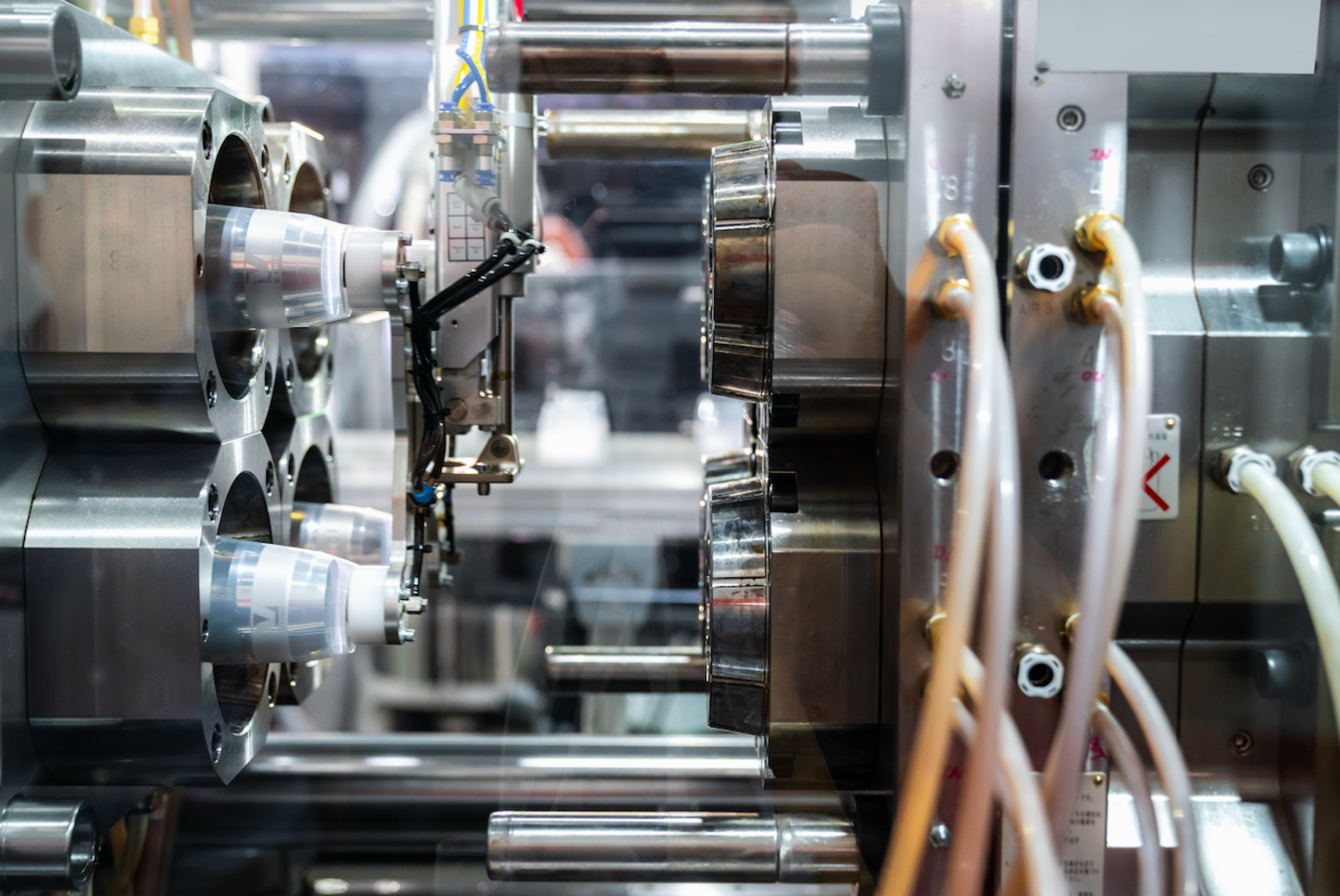
A dashboard panel is shaped in seconds as molten plastic is forced into a precision steel mold. Injection molding for automotive industry uses high pressure to inject heated polymer into a cavity, creating complex parts like bumpers and interior trim with tight tolerances. This process delivers lightweight, durable components that resist heat and impact, ideal for replacing heavier metal parts in vehicles.
Key Plastic Processes Driving Modern Vehicle Production
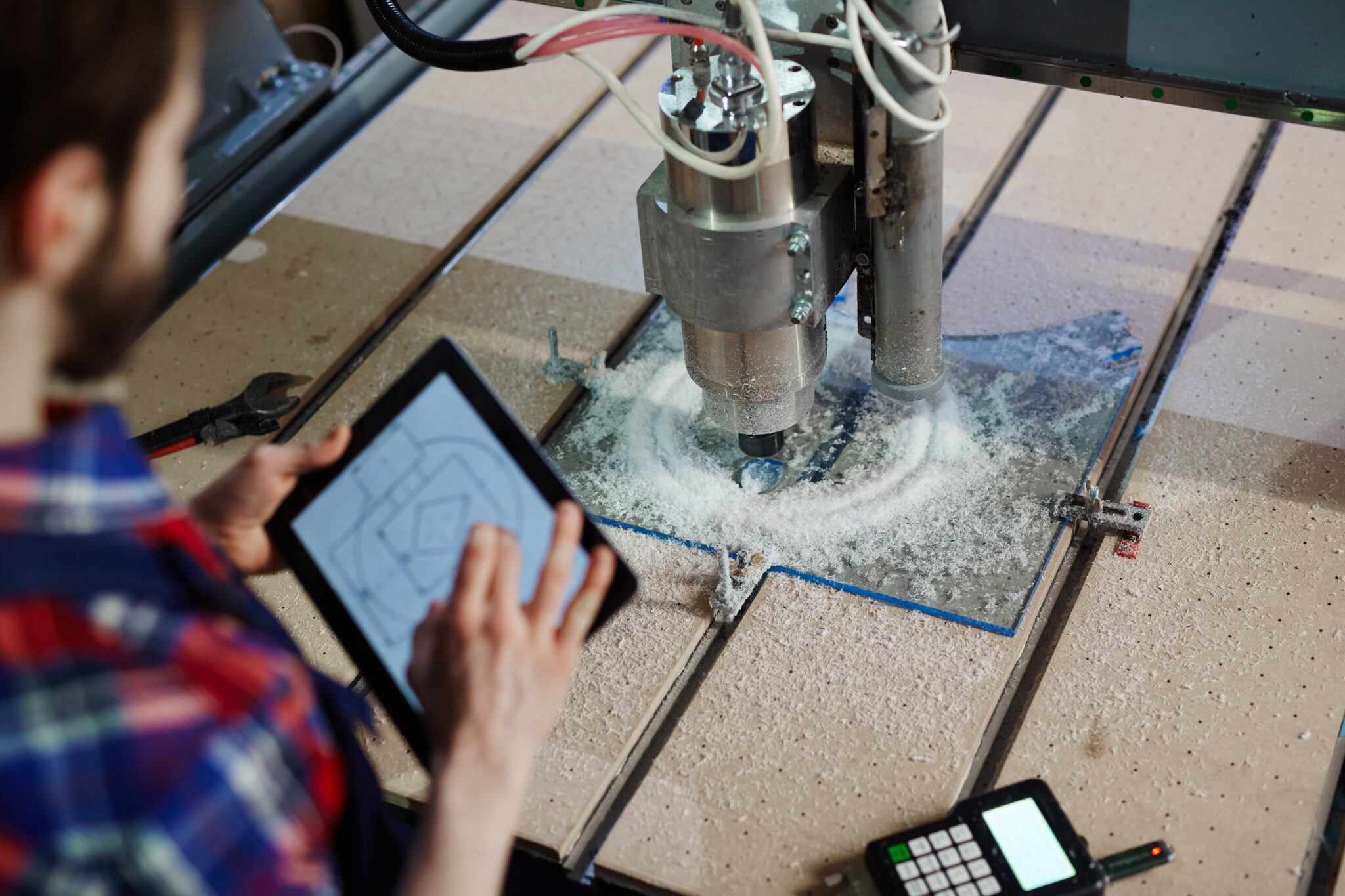
In modern vehicle production, injection molding drives the rapid manufacture of complex, lightweight components like dashboards and bumpers, ensuring precision at scale. A key process is gas-assisted injection molding, which creates hollow parts, reducing weight without sacrificing strength. Two-shot molding bonds different materials in a single cycle, enabling soft-touch surfaces on rigid panels directly in the tool. How does this speed up assembly? By consolidating multiple parts into one molded piece, slashing welding and fastening steps. These processes cut vehicle weight, improve fuel efficiency, and deliver intricate geometries that metal cannot match.
How High-Pressure Molding Enables Lightweight Car Design
High-pressure molding directly trims vehicle weight by enabling thin-wall structural components without sacrificing strength. The intense pressure forces molten plastic into tighter cavities, letting you shave millimeters off parts like bumpers and door panels. This process works because gas-assist injection creates hollow channels inside the plastic, reducing material use while maintaining rigidity. To achieve lightweight design, you first optimize the mold for high clamping force, then inject polymer at pressures over 1,000 bar, and finally pack the cavity to eliminate sink marks. The result is durable, featherlight parts that cut fuel consumption.
- Select a low-density, high-flow polymer grade.
- Design gas-assist channels in the core.
- Set injection pressure above 1,200 bar.
- Control cooling to prevent warpage in thin sections.
The Shift from Metal to Polymer Components in Chassis and Interiors
The shift from metal to polymer components in chassis and interiors is fundamentally reshaping vehicle assembly through lightweighting. By replacing steel subframes and door panels with high-performance polymer alternatives, automakers reduce unsprung mass for better handling. Injection molding achieves this transition by producing:
- Reinforced structural cross-members that replace welded metal brackets, offering equivalent stiffness.
- Integrated interior modules like one-piece instrument panels with molded mounting points, eliminating multiple stampings.
- Crash-absorbing front-end carriers using glass-filled nylon, which deform predictably to manage impact energy.
Critical Material Choices for Demanding Automotive Applications
The engine bay’s relentless heat and chemical exposure demanded a material that wouldn’t creep or crack over time, so for that critical sensor housing we chose a long-glass-fiber reinforced polyamide, its rigidity proven in thousands of hours of thermal cycling. Glass-filled PPA became the non-negotiable choice for the turbocharger air duct, surviving oil vapors where standard plastics would embrittle within months. PEEK, though expensive, was the only option for the transmission seal ring, its wear resistance tested against millions of shift cycles. A slight miscalculation in mold temperature during prototype runs of the PPA duct taught us that even the perfect polymer fails if the process isn’t tuned to its crystalline structure.
Engineering Thermoplastics vs. Commodity Resins Under the Hood
Under the hood, the choice between engineering thermoplastics and commodity resins hinges on thermal and plastic injection molding automotive parts chemical stress. Commodity resins like polypropylene fail above 100°C, while high-temperature engineering thermoplastics such as PPS or PA66 withstand continuous 150–220°C oil splash and coolant exposure. For injection molding, engineers must sequence material selection:
- Define peak under-hood temperature zones (e.g., near turbo vs. intake).
- Match resin to chemical resistance needs—PEEK for transmission seals, PA6 for air intake manifolds.
- Balance mold shrinkage differences: commodity resins allow faster cycles, engineering grades require precise tool steel for dimensional stability under load.
Glass-Filled Nylon and PEEK in High-Heat and Structural Parts
For under-hood components like turbocharger ducts and intake manifolds, glass-filled nylon and PEEK in high-heat and structural parts provide distinct performance tiers. Glass-filled nylon (e.g., PA66-GF30) offers cost-effective tensile strength up to 200°C, making it suitable for brackets and engine covers. PEEK, however, withstands continuous service above 250°C with superior creep resistance, essential for transmission washers and bearing cages. Both materials require precise mold temperature control—nylon at 80–100°C, PEEK at 150–200°C—to prevent warpage and achieve optimum crystallinity in thin wall sections.
Precision Tooling Strategies for Tight-Tolerance Vehicle Parts
Achieving tight tolerances on automotive injection molded parts demands a tooling strategy centered on high-hardness steel selection, such as H13 or S7, and precision multi-axis CNC machining of cavity inserts to within ±0.003mm. Critical features like snap-fits and bearing housings require localized hardened inserts to resist wear and maintain dimensions over high-volume cycles. How do you prevent flash on complex geometry? Implement zero-draft, laser-sintered conformal cooling channels to eliminate hot spots, then apply a PVD coating like TiAlN to the parting line to maintain a consistent clamp force across all cavities, ensuring repeatable part fill and dimensional stability below 0.05mm.
Multi-Cavity Molds for High-Volume Trim and Dashboard Components
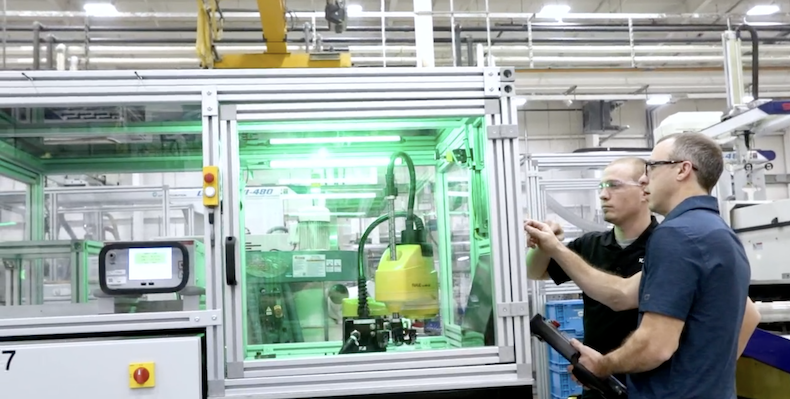
For high-volume trim and dashboard components, multi-cavity precision tooling is essential to balance cycle speed with strict dimensional stability. Each cavity must be identically gated and cooled, using dedicated thermal inserts to prevent warpage across A-surface panels. Stack molds double output without increasing clamp tonnage, while interchangeable cavity inserts allow rapid changeover between part variants like switch bezels or vent grilles. Hardened H13 tool steel with PVD coatings resists wear from filled polymers, maintaining tighter tolerances over millions of cycles. Balanced flow analysis ensures each cavity fills uniformly, eliminating short shots and sink marks on complex geometries.
Multi-cavity molds for trim and dashboard components deliver high output while preserving tight-tolerance surface finishes through balanced cooling, identical gating, and hardened steel inserts.
Conformal Cooling Channels to Reduce Cycle Times in Large Parts
For large automotive parts like bumpers or instrument panels, conformal cooling channels for large part cycle reduction are critical. Unlike straight drilled lines, these channels follow the part’s complex geometry via additive manufacturing, eliminating hot spots and ensuring uniform heat extraction. This can cut cycle times by up to 40% on thick sections, directly lowering per-part cost while minimizing warpage that compromises tight tolerances. Tooling must be built from high-conductivity alloys to sustain the intricate pathways. Question: How do conformal channels handle deep ribs? They contour precisely to these features, achieving rapid, even cooling where conventional lines fail, preventing sink marks and ensuring dimensional stability in production.
Advanced Technologies Reshaping Part Production
Real-time process monitoring using AI-driven sensors now identifies viscosity shifts during melt flow, enabling corrective pressure adjustments before defects form. Multi-material overmolding eliminates secondary assembly by bonding dissimilar polymers into single automotive components like instrument panels. Conformal cooling channels, produced via additive manufacturing, reduce cycle times by over 30% by maintaining uniform mold temperature. In-mold sensors track shrinkage rates, allowing automatic calibration of hold pressure for consistent dimensional tolerances in complex parts such as intake manifolds.
Gas-Assist Molding for Hollow, Warp-Free Structural Elements
Gas-assist molding enables production of hollow structural elements like door handles and mirror brackets by injecting nitrogen into the melt, creating internal voids while reducing material usage. This process eliminates sink marks and warpage by allowing uniform cooling, as the gas pressure acts against the core. Parts maintain high torsional rigidity without the mass of solid equivalents, meeting crash standards. By consolidating multiple solid components into a single hollow part, assembly steps are cut. The gas channel design must be precisely positioned to avoid thin-wall blowouts, but when optimized, it delivers warp-free, dimensionally stable structural elements.
Insert Molding for Integrating Metal Fasteners and Sensors
Insert molding allows you to place metal fasteners or sensors directly into the mold before plastic injection, creating a single, robust part. This eliminates secondary assembly steps, boosting durability in harsh automotive environments like engine bays or door panels. The plastic shrinks around the metal, locking it in place without adhesives. Real-time sensor integration becomes possible, with components like temperature or pressure sensors encapsulated for protection. What’s the main advantage of using insert molding for automotive sensors? It seals the sensor completely against vibration and moisture, ensuring consistent performance over the vehicle’s lifespan.
Two-Shot and Overmolding Techniques for Soft-Touch Surfaces
In automotive injection molding, soft-touch overmolding and two-shot techniques bond a rigid substrate (e.g., ABS) with a thermoplastic elastomer (TPE) to create ergonomic, tactile surfaces. Two-shot molding sequentially injects both materials in a single cycle using a rotating mold, ensuring precise chemical adhesion without post-processing. Overmolding, often performed as a secondary operation, encapsulates a pre-molded part with TPE, allowing for thicker or more complex soft layers. Material selection is critical, as mismatched coefficiencies of thermal expansion can cause delamination under temperature cycling. Both methods eliminate adhesives, reduce assembly steps, and provide consistent haptic feedback on steering wheels, gear shifters, or interior trim.
Quality Control Methods for Safety-Critical Automotive Parts
For safety-critical automotive parts like airbag housings or braking components, in-process Statistical Process Control (SPC) is a frontline quality method. Real-time monitoring of cavity pressure and melt temperature during injection molding catches deviations before defective parts are formed.
Combined with automated vision systems that check for flash or voids at the press, this prevents non-conforming parts from reaching assembly.Dimensional checks via coordinate measuring machines (CMM) on first-off and random samples ensure tolerances stay tight, while material batch verification prevents weakness from regrind or moisture. Every cycle’s data is logged to a traceable serial number, enabling root cause analysis if a field failure occurs.
In-Mold Pressure Sensors and Real-Time Viscosity Monitoring
In-mold pressure sensors directly gauge cavity pressure curves, enabling closed-loop control to compensate for material or temperature shifts. This ensures consistent packing and density in structural parts like airbag housings or brake pedal brackets. Real-time viscosity monitoring, derived from the pressure/temperature relationship, detects viscosity fluctuations caused by regrind blends or moisture content. Operators can instantly adjust holding pressure or injection speed to prevent short shots or flash. Together, these technologies provide a direct correlation between process stability and final part mechanical properties, eliminating guesswork for safety-critical components.
| Parameter | In-Mold Pressure Sensors | Real-Time Viscosity Monitoring |
|---|---|---|
| Primary function | Measures cavity pressure dynamics | Infers melt flow behavior during fill |
| Key benefit | Ensures consistent packing density | Detects lot-to-lot material changes |
| Action taken | Adjusts hold pressure profile | Modifies injection speed or barrel temperatures |
Automated Vision Inspection for Surface Defects and Dimensional Accuracy
For safety-critical automotive parts, automated vision inspection for surface defects and dimensional accuracy uses high-resolution cameras and AI-driven algorithms to scan every molded component in milliseconds. It catches micro-scratches, sinks, and flash, while simultaneously verifying critical tolerances like hole diameters or wall thickness. This real-time feedback loop lets operators adjust process parameters instantly, preventing defective parts from reaching assembly. By integrating inline with the molding cell, it eliminates the lag of manual sampling, ensuring 100% inspection without slowing cycle times.
Automated vision inspection for surface defects and dimensional accuracy provides immediate, per-part validation, combining flaw detection with precision measurement to maintain safety standards in high-volume automotive production.
Cost Optimization and Sustainability in High-Volume Runs
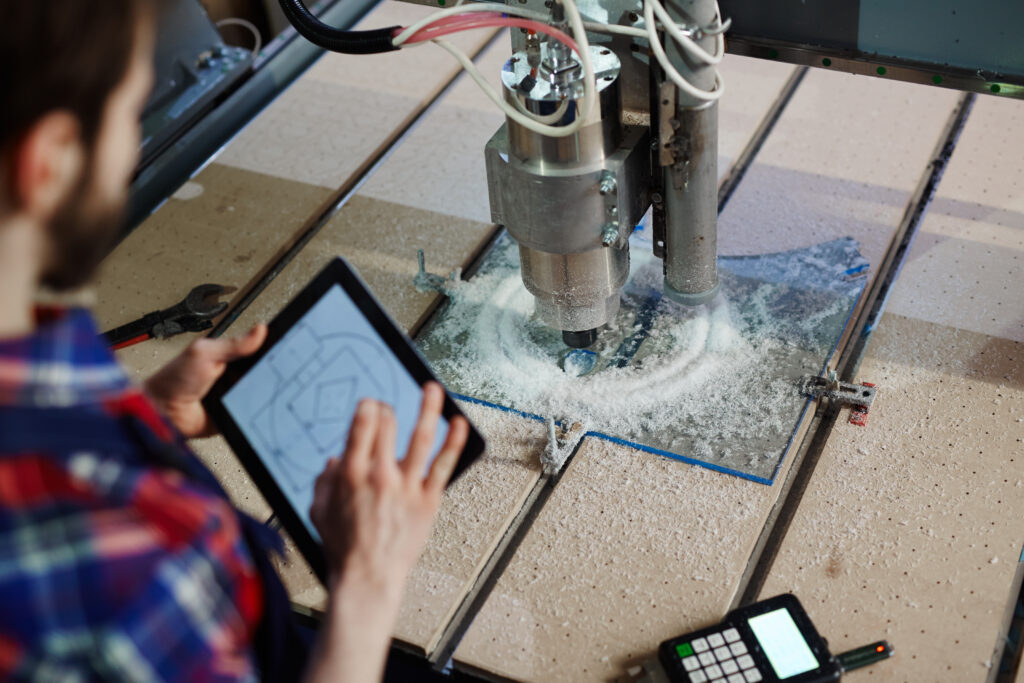
In high-volume automotive injection molding, cost optimization is achieved by maximizing cycle time reduction through conformal cooling channels, which enable faster part ejection and reduced per-part energy consumption. Sustainability is directly enhanced by using regrind from sprues and runners at controlled percentages (e.g., 15-20%) without compromising crash safety standards, lowering virgin resin demand. Simplifying part geometry to eliminate secondary operations reduces both tooling wear and electricity usage per million cycles. Utilizing multi-cavity molds with hot runner systems minimizes material waste, while specifying recycled polypropylene or nylon grades for non-visible structural components further reduces carbon footprint without affecting dimensional stability.
Reducing Scrap Through Simulation and Process Analytics
Simulation software precisely predicts melt flow and cooling behavior, enabling engineers to identify potential defects like warpage or short shots before steel is cut. This virtual validation allows for iterative refinement of gate locations and cooling channel layouts, directly eliminating scrap root causes. Process analytics then monitors real-time cavity pressure and temperature curves during production, triggering immediate adjustments if parameters drift from the validated baseline. The sequence is:
- Run mold-filling simulations to preemptively correct flow imbalances.
- Use thermal analysis to optimize cooling for uniform shrinkage.
- Deploy in-line process analytics to maintain the optimized settings cycle-to-cycle.
Recycled Polymers and Bio-Based Resins for Eco-Friendly Components
In high-volume automotive runs, specifying recycled polymers and bio-based resins directly cuts material costs by replacing virgin plastics without sacrificing part performance. Polypropylene reinforced with post-consumer waste reduces per-part expenditure while meeting interior trim standards. Bio-based nylons derived from castor oil deliver comparable heat deflection to petroleum alternatives, enabling under-hood components. Using regrind in non-visible structural brackets further lowers feedstock expenses. These resins process identically on existing molds, requiring no retooling, and their lower carbon footprint qualifies parts for OEM sustainability targets without premium pricing.
Lean Tool Maintenance to Extend Die Life and Lower Per-Part Cost
In high-volume automotive runs, predictive tool maintenance schedules drastically extend die life by preempting micro-crack propagation and surface wear, directly slashing per-part cost. Replacing cavity steel only at the first sign of flash, rather than on a fixed calendar, can reduce material waste by up to 12% per cycle. Standardizing lubrication intervals for guide pins and ejectors prevents galling, while in-line sensors flag tonnage imbalances before they erode parting lines. Each preemptive service step eliminates unscheduled downtime and preserves critical tolerances, ensuring consistent part geometry across millions of cycles without premature tool replacement costs.
How Injection Molding Shapes Key Automotive Components
Interior Parts That Benefit from Molded Plastics
Under-the-Hood Applications Requiring Heat Resistance
Exterior Body Panels and Trim Produced via Molding
Choosing the Right Plastic Material for Vehicle Parts
Common Thermoplastics Used in Auto Molding
When to Select Reinforced or Filled Polymers
Understanding the Injection Molding Process for Automotive Production